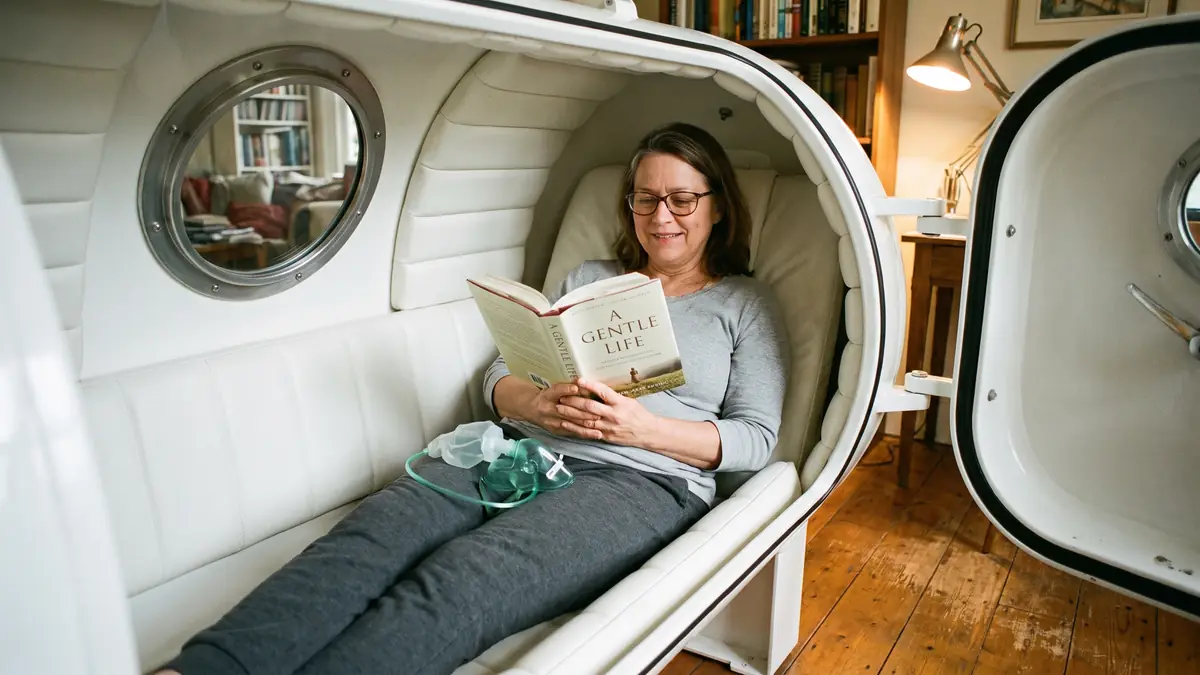
A hyperbaric chamber for a home in the UAE costs, installed and indicative, AED 95,000 to 140,000 for a soft-shell chamber at 1.3 to 1.5 ATA, AED 140,000 to 280,000 for a hard-shell single chamber at up to 2.0 ATA, and AED 320,000 to 650,000 for a walk-in lounge cabin that seats two to four. The spread inside each band comes from certification, shell material, seating and the work the room needs, not from brand prestige alone. This guide compares the three formats on price, pressure, footprint, power and who they suit, and explains which lines of a quotation buyers most often forget.
Hyperbaric chamber prices in the UAE at a glance
| Soft-shell chamber | Hard-shell single chamber | Walk-in lounge cabin | |
|---|---|---|---|
| Indicative price, installed (AED) | 95,000 – 140,000 | 140,000 – 280,000 | 320,000 – 650,000 |
| Working pressure | 1.3–1.5 ATA | up to 2.0 ATA | 1.5–2.0 ATA |
| Occupancy | 1, lying down | 1, reclined or sitting | 2–4, seated |
| Chamber footprint | about 2.4 × 1.0 m | about 2.6 × 1.2 m | about 3.0 × 2.2 m |
| Room to plan for | 3 × 2.5 m with an extract route | 3.5 × 2.5 m plus a slab check | 4.5 × 3.5 m plus a delivery route |
| Weight | 60–120 kg | 300–600 kg | 900–1,800 kg |
| Power supply | standard socket circuit, under 2 kW | dedicated circuit | dedicated circuit, 4–7 kW with compressor |
| Who it suits | apartments, renters, one regular user | daily users who want higher pressure and a rigid door | families, clinics, gyms, villa recovery wings |
All figures are indicative, drawn from our benchmark range of AED 95,000 to 650,000 for hyperbaric cabins, and are confirmed after a survey of the room. Every price includes an oxygen concentrator sized for the chamber, the room ventilation, electrical work, delivery and positioning, commissioning, training and the first year of service.
What sits inside the price
A quotation for a home chamber has more lines than the chamber, and the missing lines are where cheap offers become expensive.
- The chamber. The largest line. Certification, shell material, door design, viewing windows, internal seating and the control panel all move it.
- The oxygen concentrator. Medical-grade, sized for the chamber’s flow, with its own filter schedule. A concentrator that is too small forces longer sessions at lower oxygen levels.
- The compressor. Supplies air for pressurisation. Soft shells often use a compact unit in the room; lounge cabins need a larger one, ideally outside the room because of noise and heat.
- Room ventilation. A mechanical extract to outside and a fresh-air supply, so the oxygen-rich air released during depressurisation does not accumulate in a closed room. This is the line marketplace sellers never include.
- Electrical work. A dedicated circuit and isolator; for a lounge cabin, a load statement that joins the villa’s DEWA, ADDC or SEWA submission if the chamber is built with a sauna or plunge.
- Delivery and positioning. Trivial for a soft shell, a planned operation for a hard shell: door widths, stair turns, slab loading and sometimes a crane.
- Training and first service. Operating the chamber safely is a skill; the handover session and the first inspection are part of the price, not extras.
Why two chambers at the same pressure differ by AED 100,000
Two hard-shell chambers both rated to 2.0 ATA can sit at opposite ends of the AED 140,000 to 280,000 band. The differences a buyer should ask about:
- Certification. A pressure vessel certified to a recognised standard, with test documentation for the specific unit, not just the model.
- Shell and door. Steel shells with an acrylic window, full acrylic tubes, or composite shells; hinged doors with a positive seal cost more than clamped hatches.
- Safety systems. Relief valves, internal and external gauges, two-way intercom, and an emergency depressurisation control that works from inside.
- Comfort. Reclining versus upright seats, internal diameter, climate control inside the chamber, lighting and entertainment.
- Service reach. Whether the manufacturer’s parts and trained technicians reach the UAE within days. A chamber that waits six weeks for a seal is a chamber that stands idle.
Lounge cabins widen the spread further: seating for two or four, a separate compressor room, and finishes chosen to match a villa wellness suite rather than a clinic.
Running cost and service over five years
Electricity is the smallest part of owning a chamber. A soft-shell set-up draws under 2 kW; a ninety-minute session uses around three kilowatt-hours, a dirham or two at DEWA’s upper residential slab. A lounge cabin with a larger compressor costs more per session but still far less than a sauna heater used for the same time.
Service is what matters. Soft-shell zips and seals are inspected every six months and replaced when worn. Hard-shell door seals, relief valves and gauges are checked annually, the concentrator’s output and filters with them, and the room extract is cleaned. We include hyperbaric cabins in the annual maintenance plan alongside the sauna, steam room and plunge, so a villa with a full suite has one service calendar rather than several.
Marketplace chambers and the real saving
Chambers advertised online at a fraction of the prices above are usually soft shells without certification documents, shipped in a box, with no local technician and a concentrator of unknown output. The saving is real at checkout and disappears the first time a zip fails, a gauge reads wrong or a building asks for conformity papers. For a pressure vessel in a family home we only install certified equipment with a service route into the UAE, and we say that plainly rather than competing on the box price.
Pressure, sessions and the medical line
Wellness sessions in a home chamber last sixty to ninety minutes including pressurisation and depressurisation, with ear equalisation as on a descending aircraft. Users read, listen or rest. Hospital hyperbaric oxygen therapy is a different thing: diagnosed conditions, higher pressures, a physician and a licensed facility. We supply home chambers as wellness devices and make no treatment claims for them. Anyone who is pregnant or has a lung, ear, sinus or heart condition should speak to their doctor before using one, and the frequency of sessions is a decision for the user and their physician. Clinics that want to offer sessions commercially need to confirm licensing with their health regulator first.
The room decides the final figure
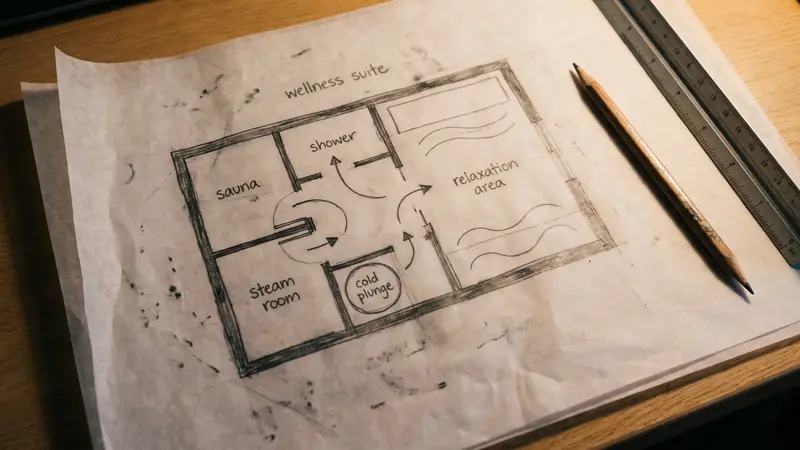
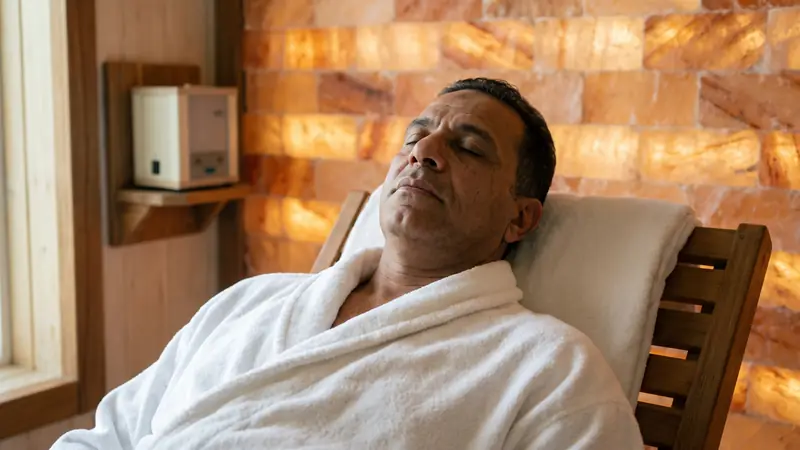
The same chamber can land at opposite ends of its price band in two different villas, because of the room. A spare bedroom with a window and a short extract route is simple. A basement with no outside wall needs ducting through the structure. A penthouse may need the building’s approval for the compressor’s noise. A walk-in cabin in Emirates Hills or Dubai Hills may have to arrive before the staircase is finished. The cabin belongs on the cool, dry side of a suite, next to a salt room and away from steam, as drawn in the villa wellness suite layout guide; athletes who combine it with heat and cold will find the timing in the contrast therapy protocol.
Getting a firm number
A firm price needs three things: the format you want, photos of the room with its door and window, and for a hard shell the route from the driveway. From those we can confirm what fits, what the ventilation involves and whether a structural check is needed, and issue an itemised quotation line by line. The formats, installation process and handover are on the page where you can buy a hyperbaric chamber in Dubai; for a complete recovery wing, see the villa wellness suite.
Share the room photos on WhatsApp; the chamber sizes that suit your room and a first budget in AED reach you by the next business day.